

Things Worth Keeping Analogue In A Digital World
Our lives are shaped by technology. That is not an opinion, but a fact. And while it is tempting to debate the harm technology may cause to our wellbeing, the truth is simpler: you are reading these words only because digital progress made it possible for us to write, publish and share them — and for you to discover them on the device in your hands.
We are not advocates of rejection. We would never suggest abandoning your laptop, retreating to the woods, or resisting progress for the sake of nostalgia. What we do believe, however, is that certain experiences are simply better when they remain analogue. When they invite slowness. When they require attention. When they reward presence.
In a world that moves faster each year, analogue moments are not a step backwards. They are a conscious choice to engage more deeply with what matters.
Did digital tools change the way we interact?
Digital tools — smartphones, laptops, tablets — give us access to near‑limitless information. With a few taps, we can explore almost any subject imaginable (and we are genuinely honoured that, among all possible destinations, you found your way to Scriveiner’s Journal).
The concern that such abundance may pull us in too deeply is not new. Nearly a century ago, The Saturday Evening Post captured this anxiety with a satirical cover back in the 1930s, showing readers utterly absorbed in printed media. The medium has changed; the concern has not.

Saturday Evening Post cover, Aug 23, 1930. Source: Norman Rockwell Museum
Even further back, Socrates himself expressed unease about the written word. He feared that writing would weaken memory, encouraging people to rely on external records rather than their own minds. History suggests otherwise. Human intellect did not decline with the arrival of writing — it evolved.
We believe the same principle applies today. Mental sharpness is not preserved by resisting progress, but by choosing how we engage with it. Going fully analogue will not make one the cleverest person in the room. But it can help us slow down, focus our attention, and experience greater depth in what we do.
That brings us to a simple question: where does analogue still serve us best?
Things worth keeping analogue in 2026

Choosing a physical book — or even a dedicated e‑reader — over reading on a phone or tablet offers something increasingly rare: protection from distraction. Notifications, messages and endless feeds fracture attention in ways that slowly yet steadily diminish the reading experience.
An analogue book creates a private space between the reader and the text. There are no pop‑ups, no alerts, no competing demands. Just uninterrupted engagement — and with it, a deeper emotional and intellectual connection to what you read.
Writing

Writing by hand slows thought just enough to make it clearer. Ideas have a chance to untangle, and priorities surface. Whether journalling, planning the day ahead, or working through a complex problem, the physical act of writing encourages intention.
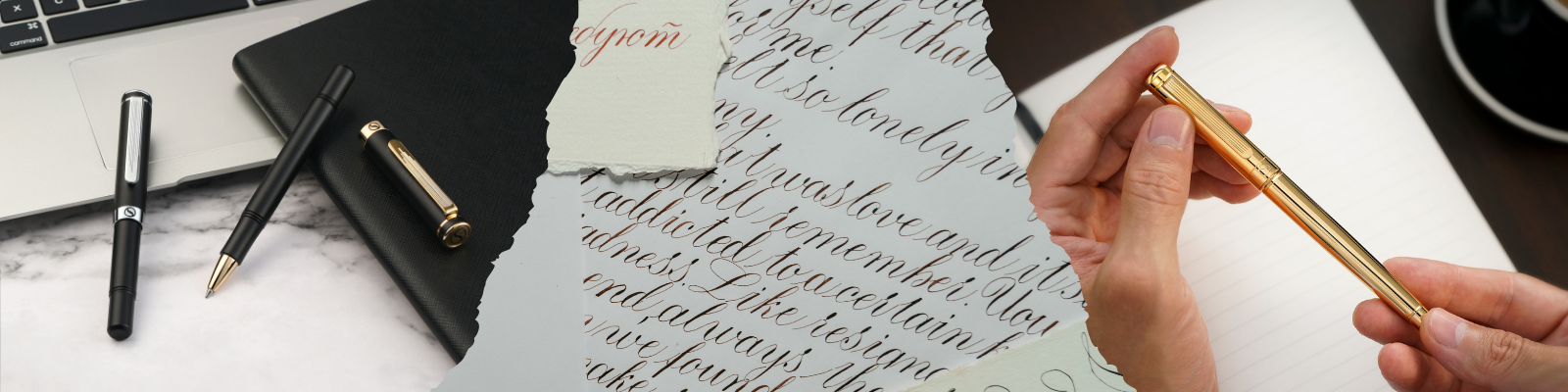
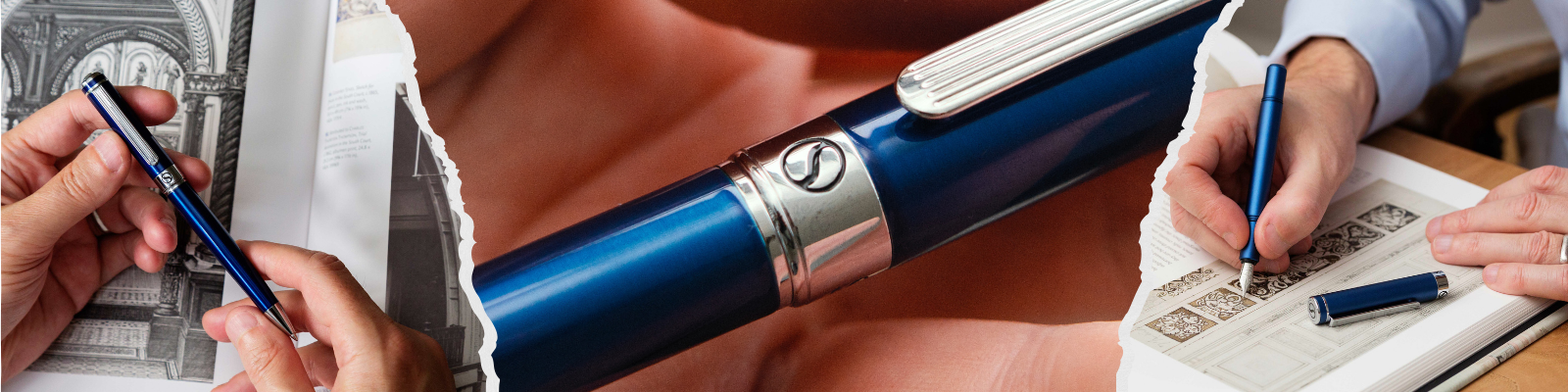
There is also pleasure in the tools themselves: a pen that sits comfortably in the hand, ink in a colour that feels right, paper that welcomes the nib. These are not indulgences. In the era of an endless flow of information, pen and paper are your sword and shield in war for your own attention.
Learning

Learning is where reading and writing meet. In our previous article, we explored how handwritten notes strengthen retention and understanding — a process often described as mechanical or embodied memory.
Beyond science, there is discipline in analogue learning. It asks for presence and discourages multitasking. And in doing so, it transforms learning from passive consumption into active participation, and helps us to rise from simply remembering to understanding.
Communicating

Modern communication allows us to remain in contact across oceans and continents — a remarkable achievement. Yet we often use the same tools to communicate with those who are physically close, substituting messages for conversations, updates for connection.
Scrolling through someone’s life creates the illusion of closeness. Meeting in person restores the reality of it. Face‑to‑face conversation rekindles empathy, attentiveness and the subtle signals that deepen human relationships — tone, expression, silence.
Gift giving

The pandemic, strengthened by a digital age, taught us that distance need not prevent generosity. Subscriptions, vouchers and deliveries made it possible to show care from afar.
Still, few things rival the experience of receiving a thoughtfully chosen, carefully wrapped gift in person. Physical gifts carry effort, intention and memory. They linger — not just as objects, but as reminders of connection. As we explored in a previous article, gift giving is deeply human, rooted in the behaviours that shaped our social bonds.
Scriveiner and the analogue life
At Scriveiner, our love for fine stationery is rooted in this philosophy. We design everyday luxury pens that invite use — and reward it. From balanced construction to considered finishes and refined writing mechanisms, every detail is shaped to feel seamless in the hand.
It is a privilege to know that the pens we craft, and the ideas we share, may inspire you to preserve a little more analogue space within a fast digital life.
With greatest love to all who write and read,
Hanna

Leave a comment
This site is protected by hCaptcha and the hCaptcha Privacy Policy and Terms of Service apply.